Ohio Lost $4.8 Billion to Trump's Tariffs in 90 Days
In Lordstown, where GM used to build Chevrolet Cruzes on three shifts, the auto parts suppliers that survived the plant closure in 2019 are now facing a different kind of shutdown. Canadian-sourced steel and aluminum are caught in a reciprocal tariff cycle that has pushed raw material costs up approximately 23% since early 2026. For fabricators already running on single-digit margins, the math doesn't hold. The parts they stamp today cost more than the contracts they signed six months ago will pay.
The $4.2 billion figure represents the cumulative hit to Ohio's economy from February to December 2025 after the tariffs took effect. That number comes from a Trade Partnership Worldwide analysis prepared for the National Taxpayers Union Foundation measuring the spread between baseline trade volume and actual cross-border flows once retaliatory measures kicked in. It's invoices unpaid, orders cancelled, and shifts cut because the price of doing business across the Ambassador Bridge became untenable.
Why Ohio Bears the Weight
Ohio depends on Canada more than any other international trading partner, with roughly $27.6 billion in bilateral goods flowing annually. The state's automotive sector operates on just-in-time logistics where a single component can cross the border four times before it ends up in a finished vehicle. When tariffs raise the cost at each crossing, the inefficiency compounds. A door hinge that used to cost $14.50 landed now costs $17.80, and the automaker in Marysville isn't adjusting the purchase order to match.
The steel and aluminum duties mirror the Section 232 playbook from the first Trump administration, but this time the retaliation came faster. Canadian provinces targeted Ohio-made machinery and food products within weeks. Soy and corn farmers who count on Canadian feed lots as a primary destination are now competing with Brazilian exporters who face no such barriers. The price gap has widened enough that Ohio grain is sitting in elevators through harvest season, a timing failure that turns into a cash flow crisis by tax time.
Energy costs are up as well. Canada supplies the largest share of foreign oil and electricity to the Ohio grid. Tariff-related price hikes on crude imports have pushed regional fuel costs 7% to 9% higher than the national average. That's not a rounding error for a logistics company running diesel trucks between Toledo and Pittsburgh.
The Political Tension Underneath
Ohio leaned heavily toward the current administration in the 2024 election, driven in part by promises to rebuild American manufacturing through protectionist trade policy. The bet was that short-term disruption would force supply chains back onshore, creating long-term jobs in steel, rubber, and heavy machinery. Eighteen months in, the onshoring hasn't materialized at scale, but the cost increases have. The result is a quiet but growing frustration in industrial districts that expected to be the winners in a trade war, not the collateral damage.
Trade analysts have framed the situation as a self-inflicted consumption tax on the Rust Belt factory floor. Every Canadian component that gets tariffed raises the final price of an Ohio-built truck, making it less competitive against imports from countries not caught in the tariff cycle. The domestic steel producers concentrated in specific Ohio districts are benefiting, while soybean processors in western Ohio, fabricators on the Cleveland industrial corridor, and agricultural exporters are losing volume to Brazilian competitors and watching margins shrink.
The USMCA was designed to prevent exactly this kind of friction. The agreement assumed a stable, duty-free environment for North American trade. What's happening now challenges that framework in real time, and Ohio is the place where the policy meets the pavement. The state is attempting to attract high-tech manufacturing for chips and EV batteries under the "Silicon Heartland" strategy, but trade instability signals risk to the very investors those incentives are meant to draw.
The bridges are still running. The trucks still cross. But the volume is down, the cost is up, and the cumulative tally from February to December 2025 is a number that will compound if the tariffs hold through the end of the year.


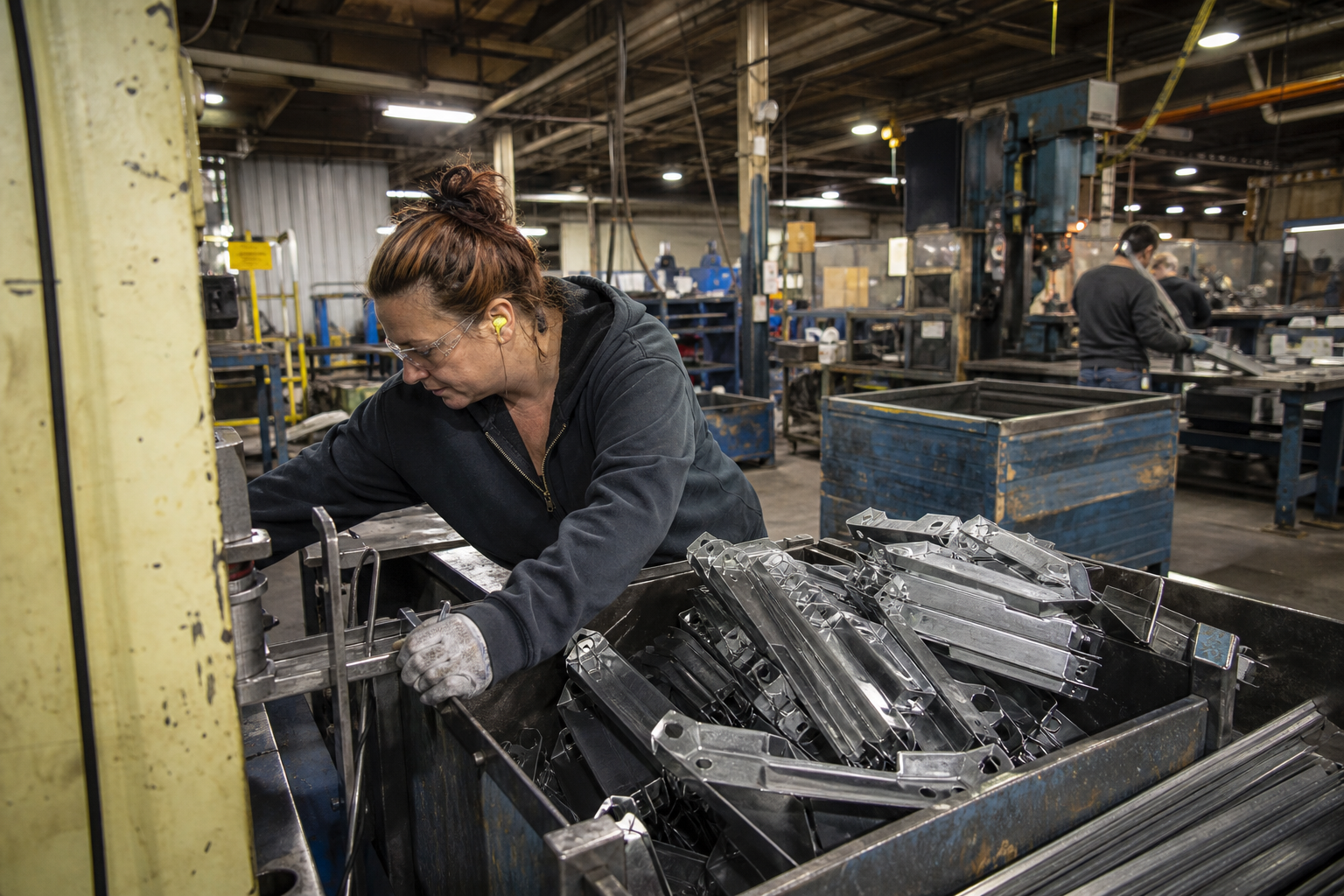

In Lordstown, where GM used to build Chevrolet Cruzes on three shifts, the auto parts suppliers that survived the plant closure in 2019 are now facing a different kind of shutdown. Canadian-sourced steel and aluminum are caught in a reciprocal tariff cycle that has pushed raw material costs up approximately 23% since early 2026. For fabricators already running on single-digit margins, the math doesn't hold. The parts they stamp today cost more than the contracts they signed six months ago will pay.
The $4.2 billion figure represents the cumulative hit to Ohio's economy from February to December 2025 after the tariffs took effect. That number comes from a Trade Partnership Worldwide analysis prepared for the National Taxpayers Union Foundation measuring the spread between baseline trade volume and actual cross-border flows once retaliatory measures kicked in. It's invoices unpaid, orders cancelled, and shifts cut because the price of doing business across the Ambassador Bridge became untenable.
Why Ohio Bears the Weight
Ohio depends on Canada more than any other international trading partner, with roughly $27.6 billion in bilateral goods flowing annually. The state's automotive sector operates on just-in-time logistics where a single component can cross the border four times before it ends up in a finished vehicle. When tariffs raise the cost at each crossing, the inefficiency compounds. A door hinge that used to cost $14.50 landed now costs $17.80, and the automaker in Marysville isn't adjusting the purchase order to match.
The steel and aluminum duties mirror the Section 232 playbook from the first Trump administration, but this time the retaliation came faster. Canadian provinces targeted Ohio-made machinery and food products within weeks. Soy and corn farmers who count on Canadian feed lots as a primary destination are now competing with Brazilian exporters who face no such barriers. The price gap has widened enough that Ohio grain is sitting in elevators through harvest season, a timing failure that turns into a cash flow crisis by tax time.
Energy costs are up as well. Canada supplies the largest share of foreign oil and electricity to the Ohio grid. Tariff-related price hikes on crude imports have pushed regional fuel costs 7% to 9% higher than the national average. That's not a rounding error for a logistics company running diesel trucks between Toledo and Pittsburgh.
The Political Tension Underneath
Ohio leaned heavily toward the current administration in the 2024 election, driven in part by promises to rebuild American manufacturing through protectionist trade policy. The bet was that short-term disruption would force supply chains back onshore, creating long-term jobs in steel, rubber, and heavy machinery. Eighteen months in, the onshoring hasn't materialized at scale, but the cost increases have. The result is a quiet but growing frustration in industrial districts that expected to be the winners in a trade war, not the collateral damage.
Trade analysts have framed the situation as a self-inflicted consumption tax on the Rust Belt factory floor. Every Canadian component that gets tariffed raises the final price of an Ohio-built truck, making it less competitive against imports from countries not caught in the tariff cycle. The domestic steel producers concentrated in specific Ohio districts are benefiting, while soybean processors in western Ohio, fabricators on the Cleveland industrial corridor, and agricultural exporters are losing volume to Brazilian competitors and watching margins shrink.
The USMCA was designed to prevent exactly this kind of friction. The agreement assumed a stable, duty-free environment for North American trade. What's happening now challenges that framework in real time, and Ohio is the place where the policy meets the pavement. The state is attempting to attract high-tech manufacturing for chips and EV batteries under the "Silicon Heartland" strategy, but trade instability signals risk to the very investors those incentives are meant to draw.
The bridges are still running. The trucks still cross. But the volume is down, the cost is up, and the cumulative tally from February to December 2025 is a number that will compound if the tariffs hold through the end of the year.
Sources
Read Next
August Sales Fell 6.9%: What CREA's Numbers Actually Reveal About Buyer Hesitation
Canada's Resource Advantage: What Global Investors Are Betting On in 2026
How Much Identity Theft Coverage Your Family Needs, Based on Who's Actually at Risk
CMHC's Latest Housing Supply Gap Report Shows Construction Slowing Faster Than Demand