Arlene Dickinson's Agri-Food Fund and the Gap Between Promise and Capital
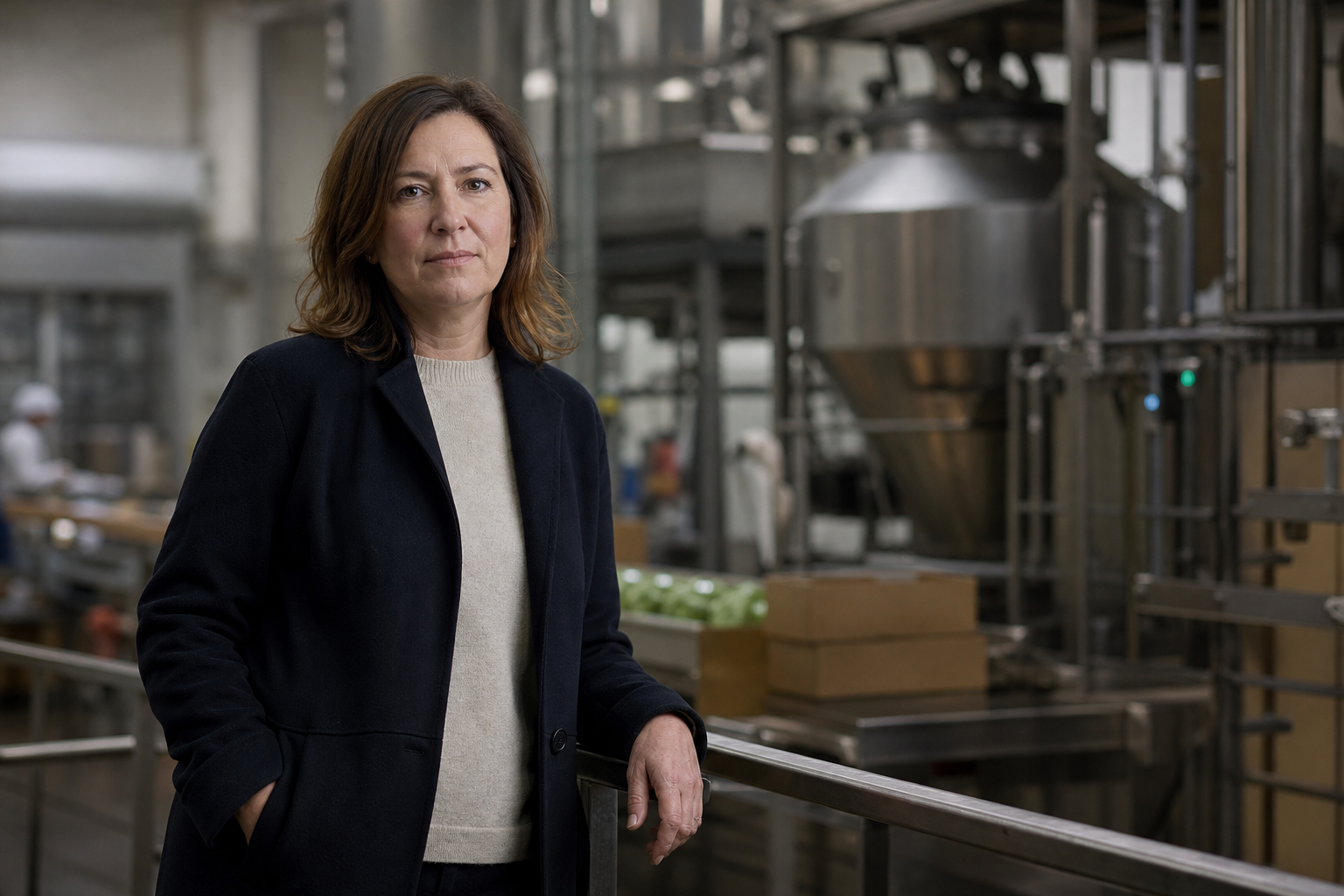
Most food companies in Alberta don't stall for lack of customers. They stall when the next step, a bigger line, a co-packer contract or a facility that can pass federal food inspection, costs more than a bank will lend and more than a typical tech investor wants to touch. Arlene Dickinson has been calling Canada's agri-food sector a "sleeping giant." Her venture capital fund aimed at Canadian food and agriculture companies is an attempt to put money into that exact gap.
Why the money hasn't followed the opportunity
Agriculture and food make up a large share of the Canadian economy. Venture capital has still gone mostly to software and fintech. A software company can grow by hiring more developers. A food company needs equipment, inspections, cold storage, trucks and inventory sitting on shelves before revenue arrives. That makes the early spending heavier and slower to pay back.
So most food founders have relied on traditional bank debt. Banks lend against what they can see: steady income, real estate, a track record. A founder with a growing brand but uneven cash flow often falls into what people in the industry call the "valley of death." The business is too big for a small business loan and too unproven for private equity.
Dickinson's District Ventures ecosystem has focused on helping Canadian consumer packaged goods companies grow into international markets. A dedicated agri-food fund extends that idea. Patient money goes to businesses that turn raw ingredients into finished products here at home.
What this looks like in Alberta
Alberta ranks second in farm count after Ontario, and the Edmonton region is a major hub for processing pulses like peas, lentils and beans. For a long time, Canada has shipped out raw crops and bought back finished goods. Every bag of Alberta peas exported unprocessed leaves the processing margin, and the jobs that come with it, somewhere else.
Keeping more of that work here depends on capital. One fund doesn't change that on its own. It does signal that private investors are starting to treat food processing as a growth sector and not only as farming.
Trade risk makes the picture more complicated. According to the Government of Alberta, the province's agri-food exports to the United States were worth C$8.7 billion in 2025. In August 2026, the U.S. put a 50% tariff on certain Canadian imports. Founders who planned on easy access to American shelves now have to think harder about which markets they rely on. Investors have to price that uncertainty in.
Money also doesn't fix every problem. The sector has a chronic shortage of skilled technicians and general labour. Rules for newer food categories can move slower than investors would like.
Where this meets your mortgage
This matters for people I work with because a founder's balance sheet rarely looks the way a lender expects.
A food entrepreneur might own a lot on paper, in equipment, inventory or shares in a private company, and still show modest personal income. They may have paid themselves as little as possible to keep cash in the business. That's sensible for the company. It makes a standard mortgage application harder, because lenders qualify you on documented income.
There are options. Some lenders will consider business bank statements, the company's cash flow or a borrower's overall net worth in place of a standard income test. These programs usually come with higher rates or larger down payments. You need to understand the cost before you sign.
Ownership structure also matters at exit. If the business shares or farm property qualify, the Lifetime Capital Gains Exemption can shelter up to $1.275 million in capital gains when the owner sells. How a founder holds their shares, and how they plan to use the proceeds, can affect a future home purchase or a pay-down of debt. That conversation belongs with an accountant early, not after the deal closes.
For investors, the growth in processing shows up in industrial property along the Edmonton to Calgary corridor: plants, warehouses and cold storage that stay useful for decades. Those properties are financed differently from residential rentals. Lenders look closely at the tenant's business and the length of the lease.
If you are building a food company in Alberta, or investing around one, the gap between promise and capital usually shows up in your personal finances first. Planning for that early gives you more choices when the business needs you to take a risk.


Most food companies in Alberta don't stall for lack of customers. They stall when the next step, a bigger line, a co-packer contract or a facility that can pass federal food inspection, costs more than a bank will lend and more than a typical tech investor wants to touch. Arlene Dickinson has been calling Canada's agri-food sector a "sleeping giant." Her venture capital fund aimed at Canadian food and agriculture companies is an attempt to put money into that exact gap.
Why the money hasn't followed the opportunity
Agriculture and food make up a large share of the Canadian economy. Venture capital has still gone mostly to software and fintech. A software company can grow by hiring more developers. A food company needs equipment, inspections, cold storage, trucks and inventory sitting on shelves before revenue arrives. That makes the early spending heavier and slower to pay back.
So most food founders have relied on traditional bank debt. Banks lend against what they can see: steady income, real estate, a track record. A founder with a growing brand but uneven cash flow often falls into what people in the industry call the "valley of death." The business is too big for a small business loan and too unproven for private equity.
Dickinson's District Ventures ecosystem has focused on helping Canadian consumer packaged goods companies grow into international markets. A dedicated agri-food fund extends that idea. Patient money goes to businesses that turn raw ingredients into finished products here at home.
What this looks like in Alberta
Alberta ranks second in farm count after Ontario, and the Edmonton region is a major hub for processing pulses like peas, lentils and beans. For a long time, Canada has shipped out raw crops and bought back finished goods. Every bag of Alberta peas exported unprocessed leaves the processing margin, and the jobs that come with it, somewhere else.
Keeping more of that work here depends on capital. One fund doesn't change that on its own. It does signal that private investors are starting to treat food processing as a growth sector and not only as farming.
Trade risk makes the picture more complicated. According to the Government of Alberta, the province's agri-food exports to the United States were worth C$8.7 billion in 2025. In August 2026, the U.S. put a 50% tariff on certain Canadian imports. Founders who planned on easy access to American shelves now have to think harder about which markets they rely on. Investors have to price that uncertainty in.
Money also doesn't fix every problem. The sector has a chronic shortage of skilled technicians and general labour. Rules for newer food categories can move slower than investors would like.
Where this meets your mortgage
This matters for people I work with because a founder's balance sheet rarely looks the way a lender expects.
A food entrepreneur might own a lot on paper, in equipment, inventory or shares in a private company, and still show modest personal income. They may have paid themselves as little as possible to keep cash in the business. That's sensible for the company. It makes a standard mortgage application harder, because lenders qualify you on documented income.
There are options. Some lenders will consider business bank statements, the company's cash flow or a borrower's overall net worth in place of a standard income test. These programs usually come with higher rates or larger down payments. You need to understand the cost before you sign.
Ownership structure also matters at exit. If the business shares or farm property qualify, the Lifetime Capital Gains Exemption can shelter up to $1.275 million in capital gains when the owner sells. How a founder holds their shares, and how they plan to use the proceeds, can affect a future home purchase or a pay-down of debt. That conversation belongs with an accountant early, not after the deal closes.
For investors, the growth in processing shows up in industrial property along the Edmonton to Calgary corridor: plants, warehouses and cold storage that stay useful for decades. Those properties are financed differently from residential rentals. Lenders look closely at the tenant's business and the length of the lease.
If you are building a food company in Alberta, or investing around one, the gap between promise and capital usually shows up in your personal finances first. Planning for that early gives you more choices when the business needs you to take a risk.
Sources
Read Next
Five Money Checks Canadian Snowbirds Should Finish Before Heading South
Canadian Bank Security Assumes a Human Is Logging In. AI Agents Break That
Before Storm Winds Arrive, Turn 5 Yard Hazards Into Protective Buffers
A 25 Basis Point Hike Doesn't Erase Variable's Long-Run Edge Over Fixed