Why Canadian Whisky Gets Banned While Softwood Gets a Reprieve
The August 2026 list from the U.S. Trade Representative runs to 63 product categories. Most get a pass. Two don't: spirits and a narrow slice of dairy. The pattern isn't economic size. Canadian spirits exports to the U.S. were worth roughly $1.57 billion in 2025. Softwood lumber, which avoided the axe this round, was valued at approximately $4.5 billion in 2025. The ban isn't targeting revenue. It's targeting votes.
The Political Geography of a Tariff
Ontario and Quebec produce nearly all Canadian spirits sold south of the border. Quebec's dairy belt runs through ridings that swung federal elections in 2021 and 2025. Softwood comes out of British Columbia and the Prairies, regions where the governing party holds few competitive seats. A U.S. administration looking to apply maximum pressure without destabilizing its own supply chains doesn't pick targets randomly. It picks the ones that force a response from the people who can change policy in Ottawa.
Mark Carney, advising the federal response, has called the bans a violation of CUSMA. He's right on the text. Article 2.3 of the agreement explicitly prohibits import bans not justified by health or safety. But CUSMA also includes a 2026 review clause, and the U.S. has made clear it views the review as a renegotiation opportunity. The dairy ban is less about this year's milk prices and more about killing Canada's supply management system before the review formally opens. The U.S. won a trade panel on dairy quotas in 2022. This is the follow-through.
Why Reprieve Means Leverage, Not Relief
The tariff reprieve list includes automotive parts, raw minerals, and industrial chemicals, goods where U.S. manufacturers depend on just-in-time cross-border supply chains. Banning those would raise costs for Michigan auto plants and Texas refineries within days. A reprieve isn't a gift. It's a tactical hold, designed to keep Canada negotiating without collapsing sectors that hurt U.S. voters more than Canadian ones.
The reprieve is also revocable. It doesn't rest on any treaty provision or formal agreement. It exists as executive discretion, which means it can vanish the moment Canada fails to meet unstated demands on border security funding or digital services taxes. The 50% tariff rate applied to steel in August 2026, per the U.S. Department of Commerce, started as a "temporary" 25% measure under Section 232 in 2018. Temporary tariffs have a way of becoming permanent, and reprieves have a way of expiring.
The Structural Bet
Canadian distillers now face a binary choice: pivot hard into European and Asian markets under CETA and CPTPP, or accept that the U.S. shelf space they've held for decades is gone. The pivot takes years. Distribution deals, regulatory approvals, and brand-building in markets that don't have a century of Canadian whisky nostalgia don't happen in a fiscal quarter.
Dairy faces a different math. Canada's supply management system, production quotas, high tariffs on imports, and price floors, has survived every U.S. administration since Nixon. The lobby behind it is one of the strongest political forces in the country. A reprieve on softwood, which has been under anti-dumping and countervailing duties totalling roughly 24.83% since the last Commerce Department review, doesn't weaken that lobby's position. If anything, it clarifies the U.S. strategy: apply maximum pain to sectors where Canada is politically vulnerable, while holding fire on sectors where retaliation would cost U.S. jobs.
The bans aren't about fairness or trade balance. They're about whether Canada will break on supply management before the 2026 CUSMA review, and whether Mark Carney's diplomatic currency is enough to hold the line. Whisky is the test case. Softwood is the proof it's working.


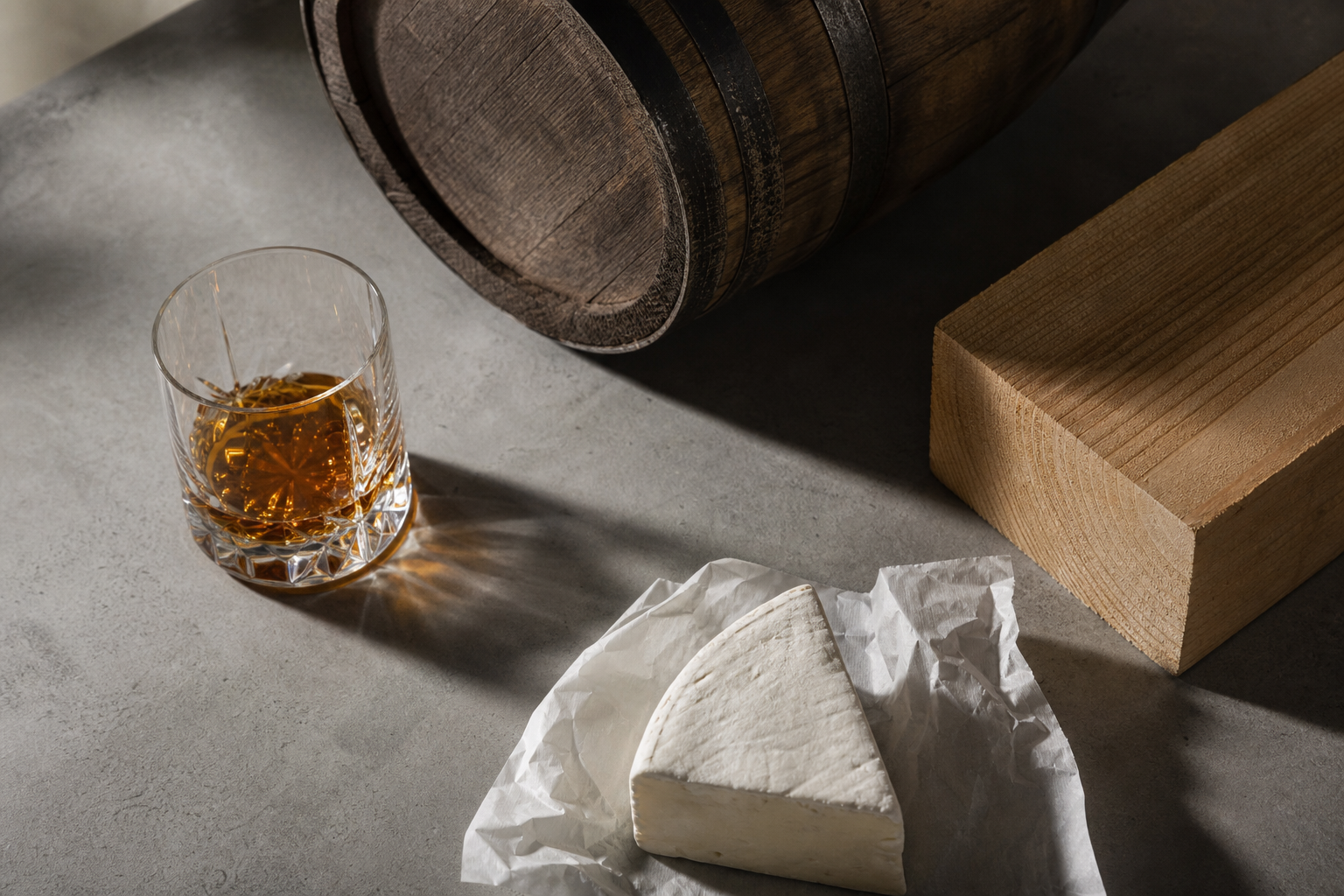

The August 2026 list from the U.S. Trade Representative runs to 63 product categories. Most get a pass. Two don't: spirits and a narrow slice of dairy. The pattern isn't economic size. Canadian spirits exports to the U.S. were worth roughly $1.57 billion in 2025. Softwood lumber, which avoided the axe this round, was valued at approximately $4.5 billion in 2025. The ban isn't targeting revenue. It's targeting votes.
The Political Geography of a Tariff
Ontario and Quebec produce nearly all Canadian spirits sold south of the border. Quebec's dairy belt runs through ridings that swung federal elections in 2021 and 2025. Softwood comes out of British Columbia and the Prairies, regions where the governing party holds few competitive seats. A U.S. administration looking to apply maximum pressure without destabilizing its own supply chains doesn't pick targets randomly. It picks the ones that force a response from the people who can change policy in Ottawa.
Mark Carney, advising the federal response, has called the bans a violation of CUSMA. He's right on the text. Article 2.3 of the agreement explicitly prohibits import bans not justified by health or safety. But CUSMA also includes a 2026 review clause, and the U.S. has made clear it views the review as a renegotiation opportunity. The dairy ban is less about this year's milk prices and more about killing Canada's supply management system before the review formally opens. The U.S. won a trade panel on dairy quotas in 2022. This is the follow-through.
Why Reprieve Means Leverage, Not Relief
The tariff reprieve list includes automotive parts, raw minerals, and industrial chemicals, goods where U.S. manufacturers depend on just-in-time cross-border supply chains. Banning those would raise costs for Michigan auto plants and Texas refineries within days. A reprieve isn't a gift. It's a tactical hold, designed to keep Canada negotiating without collapsing sectors that hurt U.S. voters more than Canadian ones.
The reprieve is also revocable. It doesn't rest on any treaty provision or formal agreement. It exists as executive discretion, which means it can vanish the moment Canada fails to meet unstated demands on border security funding or digital services taxes. The 50% tariff rate applied to steel in August 2026, per the U.S. Department of Commerce, started as a "temporary" 25% measure under Section 232 in 2018. Temporary tariffs have a way of becoming permanent, and reprieves have a way of expiring.
The Structural Bet
Canadian distillers now face a binary choice: pivot hard into European and Asian markets under CETA and CPTPP, or accept that the U.S. shelf space they've held for decades is gone. The pivot takes years. Distribution deals, regulatory approvals, and brand-building in markets that don't have a century of Canadian whisky nostalgia don't happen in a fiscal quarter.
Dairy faces a different math. Canada's supply management system, production quotas, high tariffs on imports, and price floors, has survived every U.S. administration since Nixon. The lobby behind it is one of the strongest political forces in the country. A reprieve on softwood, which has been under anti-dumping and countervailing duties totalling roughly 24.83% since the last Commerce Department review, doesn't weaken that lobby's position. If anything, it clarifies the U.S. strategy: apply maximum pain to sectors where Canada is politically vulnerable, while holding fire on sectors where retaliation would cost U.S. jobs.
The bans aren't about fairness or trade balance. They're about whether Canada will break on supply management before the 2026 CUSMA review, and whether Mark Carney's diplomatic currency is enough to hold the line. Whisky is the test case. Softwood is the proof it's working.
Sources
Read Next
Birch Hill builds a regional aviation network in British Columbia through Harbour Air's Pacific Coastal acquisition
South Korea's Stock Market Has Become a National Liability
Tech CEOs Walk the Investor Tightrope: Signal AI Risk Without Cutting Off Billions in Funding
Canada Child Benefit Payments Arrive Early This September, Here's What Changed in July