The financial skill newcomers to Canada actually need isn't on any checklist
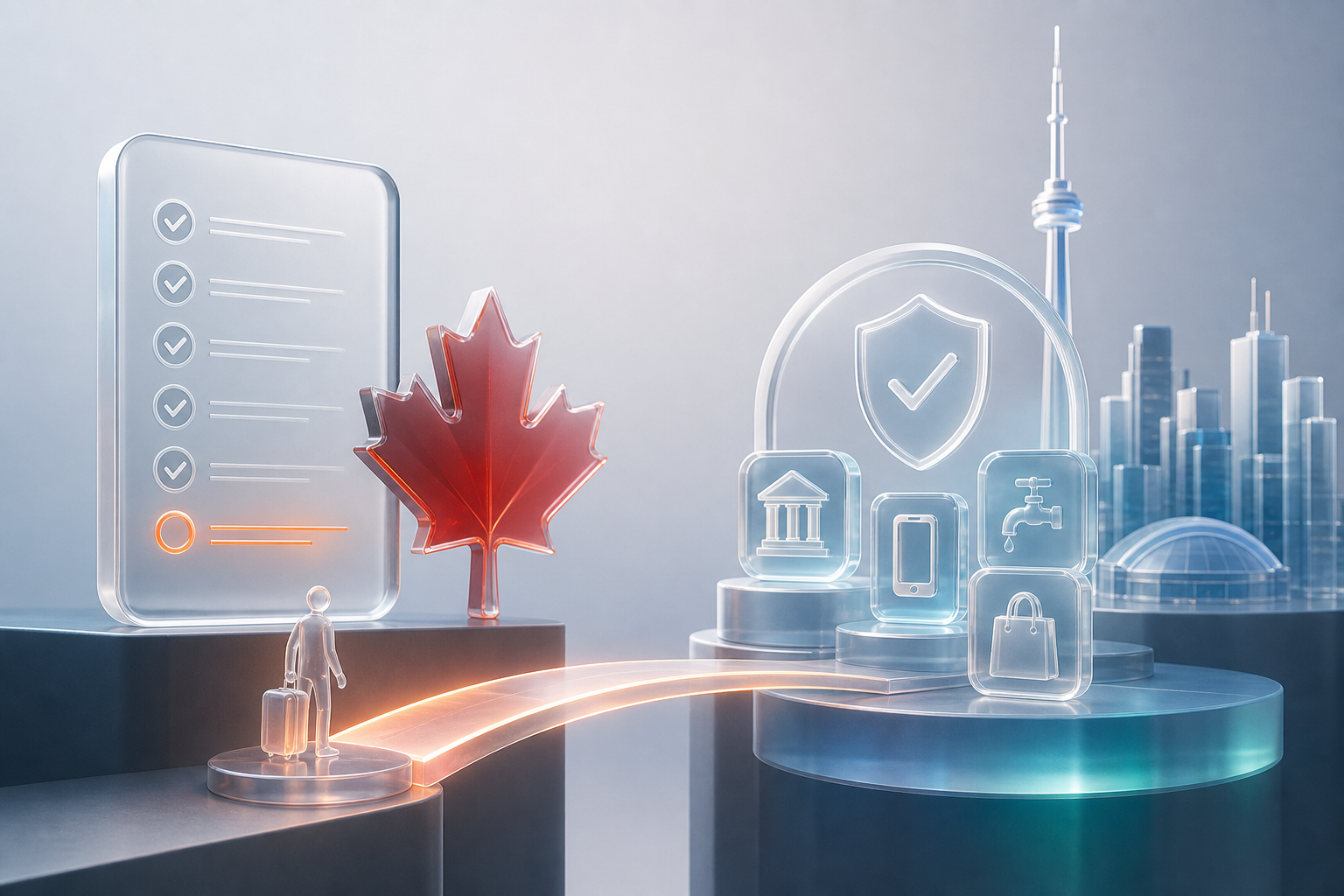
In 2019, my family landed in Toronto with a folder full of printed checklists. Tax forms I'd need to file. Credit cards that would help build a score from zero. RRSP contribution limits. TFSA rules. The whole mechanical apparatus of Canadian personal finance, itemized and ready to be conquered.
None of it prepared me for the actual skill gap I was about to hit.
The checklists assumed I knew how to trust institutions I had no relationship with. They assumed I understood that a phone call to a utility company could actually fix a billing error, that a warranty claim would be honored without a bribe, that a return policy printed on a receipt was enforceable. In the country I'd left, none of those things were reliable. Here, they were foundational, and I had no muscle memory for operating in a system where they worked.
The mechanic problem
The first real test came six months in. The check engine light came on in our used Honda. I took it to a shop near our apartment, explained the issue, and the mechanic said it would be $380 to diagnose and repair. He didn't ask for money upfront. He told me to come back in two days.
I came back in two days. The car was fixed. The bill was $340. He'd found the problem faster than expected.
That transaction contained more financial education than any guide I'd read. The mechanic had trusted me to come back and pay. I had trusted him not to invent problems or pad the bill. The gap between the estimate and the final charge went in my favor, which meant the estimate had been honest. The entire interaction followed rules I intellectually understood but had never relied on.
What the gap actually costs
The skill newcomers actually need is not budgeting or investing. It's calibrating trust. Knowing when a system will hold, when a business will follow through, when a regulator actually has enforcement power. This is not taught because people who grew up here learned it by watching their parents return a toaster to Canadian Tire or dispute a charge with their bank. It's ambient knowledge.
When you don't have it, you pay in two ways. First, you avoid using mechanisms that would save you money because you don't trust them to work. Price matching at grocery stores. Warranty claims on appliances. Refund policies on clothes. Disputing an incorrect fee on a telecom bill. Each one requires you to believe the institution will follow its own stated rules, and if you've lived somewhere that belief would be foolish, you just... don't do it.
Second, you under-use credit, because credit is trust made financial. A credit card is the institution trusting you to pay them back. A loan is the same. If you come from a place where lending was predatory or inaccessible, the idea that you can borrow money at a posted rate, pay it back on the stated terms, and have that relationship improve your financial standing feels like a setup. So you avoid it. And avoiding it means you don't build the score that unlocks better rates, which means you pay more over time for the same house, the same car, the same life.
How it actually shifts
It doesn't shift from reading. It shifts from one transaction that goes the way the rules said it would. The mechanic who charges less than the estimate. The laptop you return to Best Buy after fifteen days because it didn't fit your needs, no argument. The property tax bill you call the city about because the assessment looked wrong, and they actually correct it.
Each one is small. Together, they teach you that the system has load-bearing expectations you can rely on. Once you learn that, the checklists start to make sense.



In 2019, my family landed in Toronto with a folder full of printed checklists. Tax forms I'd need to file. Credit cards that would help build a score from zero. RRSP contribution limits. TFSA rules. The whole mechanical apparatus of Canadian personal finance, itemized and ready to be conquered.
None of it prepared me for the actual skill gap I was about to hit.
The checklists assumed I knew how to trust institutions I had no relationship with. They assumed I understood that a phone call to a utility company could actually fix a billing error, that a warranty claim would be honored without a bribe, that a return policy printed on a receipt was enforceable. In the country I'd left, none of those things were reliable. Here, they were foundational, and I had no muscle memory for operating in a system where they worked.
The mechanic problem
The first real test came six months in. The check engine light came on in our used Honda. I took it to a shop near our apartment, explained the issue, and the mechanic said it would be $380 to diagnose and repair. He didn't ask for money upfront. He told me to come back in two days.
I came back in two days. The car was fixed. The bill was $340. He'd found the problem faster than expected.
That transaction contained more financial education than any guide I'd read. The mechanic had trusted me to come back and pay. I had trusted him not to invent problems or pad the bill. The gap between the estimate and the final charge went in my favor, which meant the estimate had been honest. The entire interaction followed rules I intellectually understood but had never relied on.
What the gap actually costs
The skill newcomers actually need is not budgeting or investing. It's calibrating trust. Knowing when a system will hold, when a business will follow through, when a regulator actually has enforcement power. This is not taught because people who grew up here learned it by watching their parents return a toaster to Canadian Tire or dispute a charge with their bank. It's ambient knowledge.
When you don't have it, you pay in two ways. First, you avoid using mechanisms that would save you money because you don't trust them to work. Price matching at grocery stores. Warranty claims on appliances. Refund policies on clothes. Disputing an incorrect fee on a telecom bill. Each one requires you to believe the institution will follow its own stated rules, and if you've lived somewhere that belief would be foolish, you just... don't do it.
Second, you under-use credit, because credit is trust made financial. A credit card is the institution trusting you to pay them back. A loan is the same. If you come from a place where lending was predatory or inaccessible, the idea that you can borrow money at a posted rate, pay it back on the stated terms, and have that relationship improve your financial standing feels like a setup. So you avoid it. And avoiding it means you don't build the score that unlocks better rates, which means you pay more over time for the same house, the same car, the same life.
How it actually shifts
It doesn't shift from reading. It shifts from one transaction that goes the way the rules said it would. The mechanic who charges less than the estimate. The laptop you return to Best Buy after fifteen days because it didn't fit your needs, no argument. The property tax bill you call the city about because the assessment looked wrong, and they actually correct it.
Each one is small. Together, they teach you that the system has load-bearing expectations you can rely on. Once you learn that, the checklists start to make sense.
Read Next
GIC rates stall as bonds retreat: why deposit accounts still lag
Why Your Employer's Life Insurance Probably Covers Less Than You Think
August Sales Fell 6.9%: What CREA's Numbers Actually Reveal About Buyer Hesitation
Canada's Resource Advantage: What Global Investors Are Betting On in 2026