Prem Watsa's IDBI Bet Tests What Foreign Capital Can Do in Indian Banking
The Indian government owns 30.48% of IDBI Bank, Life Insurance Corporation of India owns another 30.24%, and the two want to sell those blocks together to one buyer. Fairfax Financial, the Toronto company run by Prem Watsa, wants to be that buyer. Put together, the stake comes to 60.72%, enough to run the bank.
Most coverage treats this as a bet on India's growth, and the growth case is real. The International Monetary Fund expects India's economy to grow roughly 6.5% to 7% in the 2025-2026 fiscal year, and India is now the world's most populous country. The more useful lesson for any investor sits in the size of that block. Growth lifts every Indian bank. The extra return in a turnaround goes to whoever gets to make the decisions, and that right has a price of its own.
Growth is shared, control is not
IDBI started life as a government development bank, became a commercial lender, and spent years buried under bad loans. The Reserve Bank of India placed it under its prompt corrective action framework, a watch list that restricts banks in poor health. It has since come off that list and reported steady profits.
A minority shareholder in a recovered bank gets the recovery that has already happened, plus whatever growth the market delivers. A controlling owner can do more: change who gets loans and at what price, cut costs, raise or return capital, and decide what the bank becomes over the next decade. Those choices are where a turnaround pays off. Watsa has made this kind of move before in India, where Fairfax holds a large position in Bangalore International Airport. He tends to buy assets that act like plumbing for a growing economy and then hold them for a very long time.
For your own decisions, separate two questions. What will this asset earn if nothing changes? What could it earn if I were allowed to change it? Only the second justifies paying up.
The regulator is part of the price
Control is the prize, and someone else decides whether you get it. The RBI applies strict "fit and proper" tests to anyone seeking majority control of a domestic bank, and a foreign owner that is not itself a bank is a rare case in India. The deal could stall or arrive with conditions attached, such as limits on voting rights or a required timeline to sell down shares.
That uncertainty belongs in the valuation from day one. A bid that only works with full, unconditional control should be valued at less than a bid that still works with partial control. The same logic shows up closer to home in Alberta. A rental property whose numbers depend on rezoning or a secondary suite permit is worth what it earns today, plus a discounted value for the permission you hope to get.
Patience is a cost you have to carry
Even with approval, a formerly state-run bank changes slowly. Long-standing procedures and strong unions can push the payoff years past a spreadsheet's estimate. Currency swings between the rupee and the Canadian dollar can take back some of the gains along the way. Watsa can wait because Fairfax's insurance float gives him money that doesn't have to come back on a fixed schedule.
Most investors don't have that kind of funding. If you are holding Indian bank shares or an India fund from Alberta, keep two practical points in mind: currency risk applies to every dollar of the gain, and once the cost of your foreign holdings goes past $100,000, the CRA expects a T1135 foreign property form with your return.
The IDBI sale will show whether foreign capital, given the controls, can turn a recovered state bank into a well-run private one. Before you copy the bet, ask whether you are buying the growth, which anyone can own, or the right to change the asset, and whether your money can wait as long as that change will take.



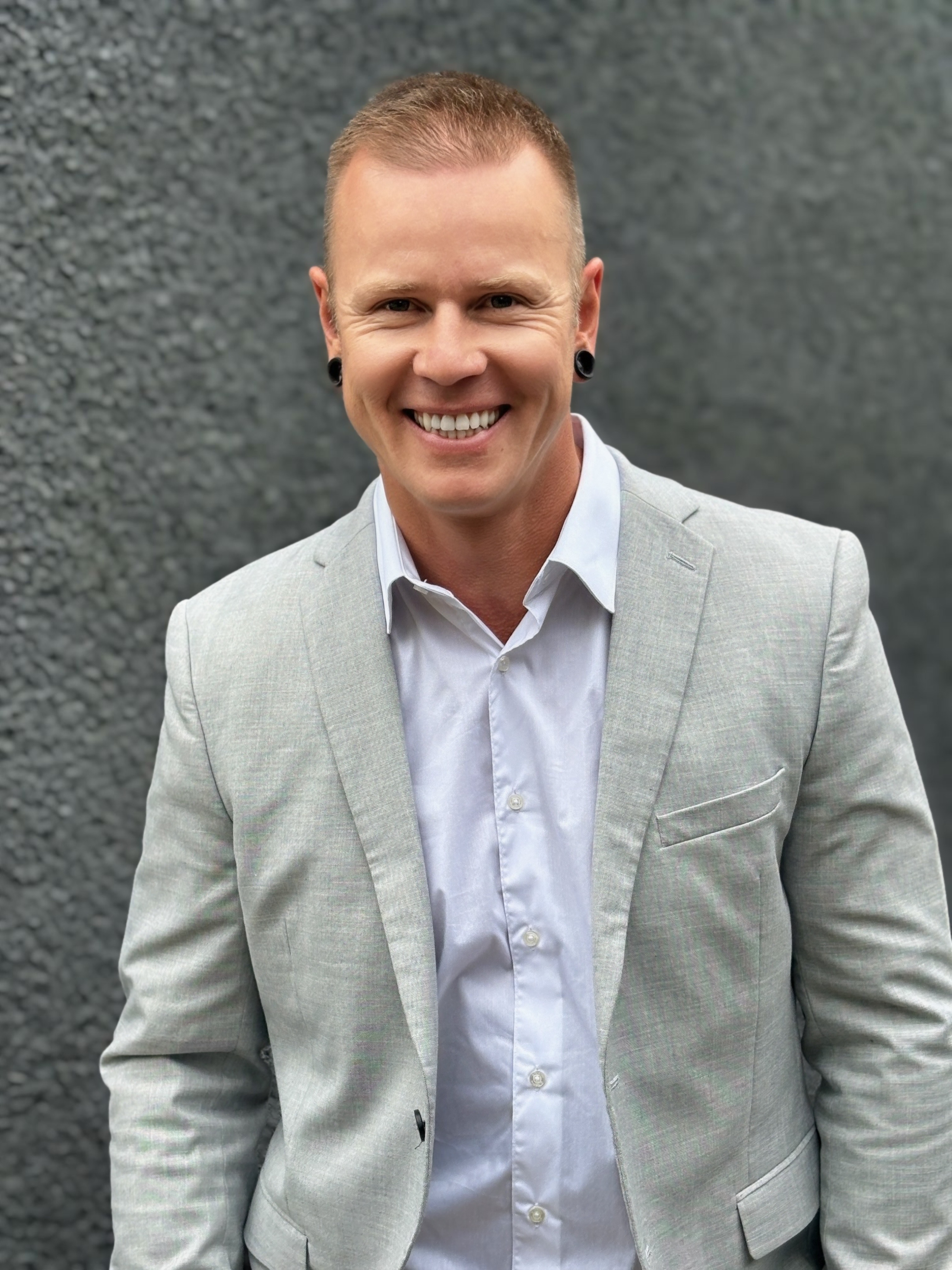
The Indian government owns 30.48% of IDBI Bank, Life Insurance Corporation of India owns another 30.24%, and the two want to sell those blocks together to one buyer. Fairfax Financial, the Toronto company run by Prem Watsa, wants to be that buyer. Put together, the stake comes to 60.72%, enough to run the bank.
Most coverage treats this as a bet on India's growth, and the growth case is real. The International Monetary Fund expects India's economy to grow roughly 6.5% to 7% in the 2025-2026 fiscal year, and India is now the world's most populous country. The more useful lesson for any investor sits in the size of that block. Growth lifts every Indian bank. The extra return in a turnaround goes to whoever gets to make the decisions, and that right has a price of its own.
Growth is shared, control is not
IDBI started life as a government development bank, became a commercial lender, and spent years buried under bad loans. The Reserve Bank of India placed it under its prompt corrective action framework, a watch list that restricts banks in poor health. It has since come off that list and reported steady profits.
A minority shareholder in a recovered bank gets the recovery that has already happened, plus whatever growth the market delivers. A controlling owner can do more: change who gets loans and at what price, cut costs, raise or return capital, and decide what the bank becomes over the next decade. Those choices are where a turnaround pays off. Watsa has made this kind of move before in India, where Fairfax holds a large position in Bangalore International Airport. He tends to buy assets that act like plumbing for a growing economy and then hold them for a very long time.
For your own decisions, separate two questions. What will this asset earn if nothing changes? What could it earn if I were allowed to change it? Only the second justifies paying up.
The regulator is part of the price
Control is the prize, and someone else decides whether you get it. The RBI applies strict "fit and proper" tests to anyone seeking majority control of a domestic bank, and a foreign owner that is not itself a bank is a rare case in India. The deal could stall or arrive with conditions attached, such as limits on voting rights or a required timeline to sell down shares.
That uncertainty belongs in the valuation from day one. A bid that only works with full, unconditional control should be valued at less than a bid that still works with partial control. The same logic shows up closer to home in Alberta. A rental property whose numbers depend on rezoning or a secondary suite permit is worth what it earns today, plus a discounted value for the permission you hope to get.
Patience is a cost you have to carry
Even with approval, a formerly state-run bank changes slowly. Long-standing procedures and strong unions can push the payoff years past a spreadsheet's estimate. Currency swings between the rupee and the Canadian dollar can take back some of the gains along the way. Watsa can wait because Fairfax's insurance float gives him money that doesn't have to come back on a fixed schedule.
Most investors don't have that kind of funding. If you are holding Indian bank shares or an India fund from Alberta, keep two practical points in mind: currency risk applies to every dollar of the gain, and once the cost of your foreign holdings goes past $100,000, the CRA expects a T1135 foreign property form with your return.
The IDBI sale will show whether foreign capital, given the controls, can turn a recovered state bank into a well-run private one. Before you copy the bet, ask whether you are buying the growth, which anyone can own, or the right to change the asset, and whether your money can wait as long as that change will take.
Read Next
A Tesla and SpaceX Merger Solves Musk's Problems and Hands Shareholders His Risks
Credit Markets Are Quietly Pricing an AI Borrowing Risk Tech Stocks Ignore
When Insiders Lose Faith in Housing: 7 Assumptions Every Buyer Should Stress-Test
Prices Are Down 20%: 7 Underwriting Checks Before Your Next Rental Build