Greer's Ultimatum Puts Canada in a Worse Position Than Backing Down
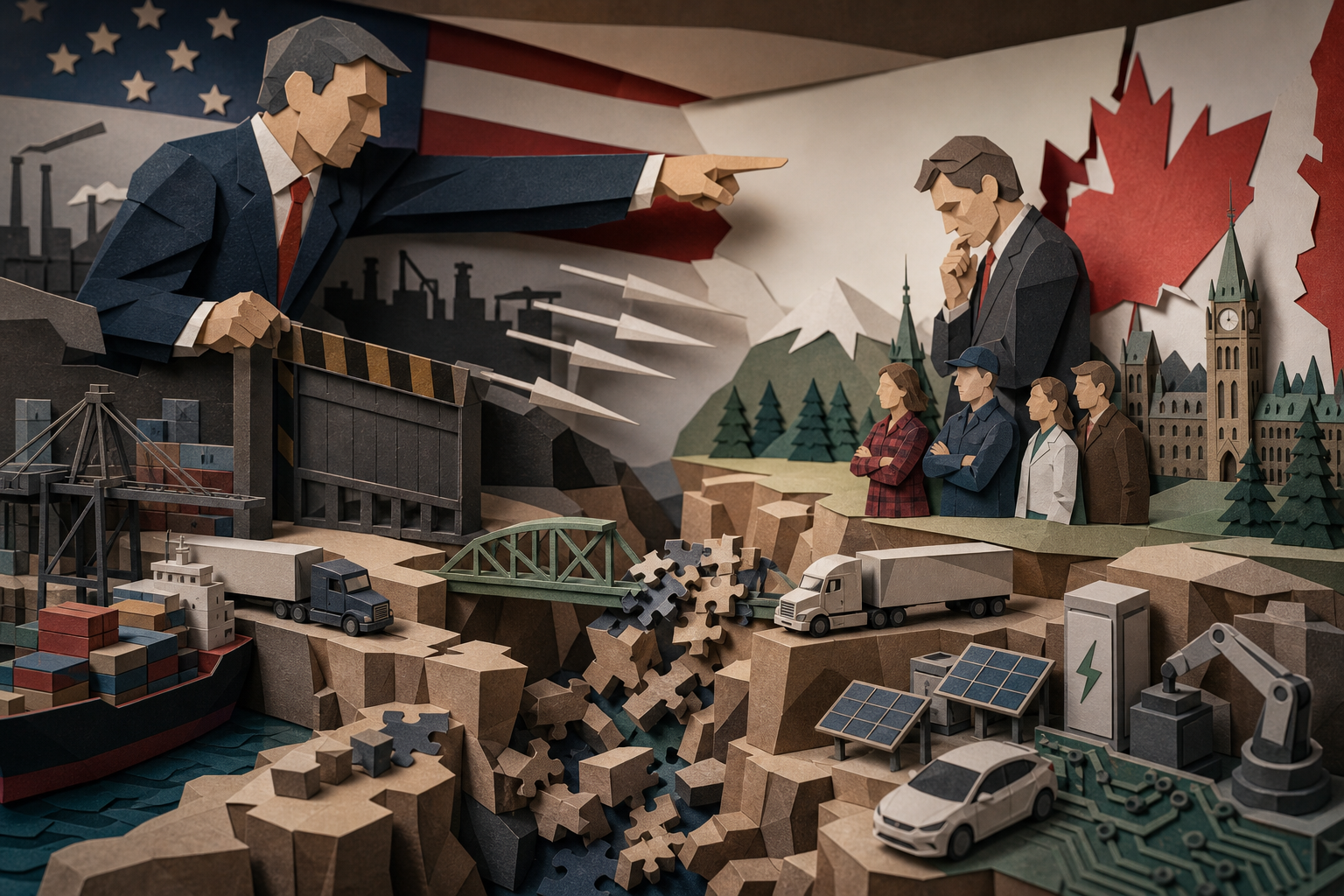
The Canadian government spent months calibrating a C$29.8 billion retaliatory package announced in March 2025, targeted, proportional, designed to inflict pain on Republican districts while protecting Canadian supply chains. By September 2025, Canada removed some of these tariffs, leaving C$15.6 billion in retaliatory measures still in place. U.S. Trade Representative Jamieson Greer just told Ottawa that none of it matters. Drop the retaliation by next week, or new American tariffs hit regardless.
The framing makes it sound like a negotiation. It isn't. Canada is being asked to disarm while the U.S. keeps its weapons drawn, with no written guarantee that compliance prevents the next round. That's not dealmaking. That's a hostage situation where you're told to cooperate and maybe things don't get worse.
The Math Doesn't Favor Compliance
Canada-U.S. daily cross-border trade runs C$3.6 billion, according to Global Affairs Canada. The retaliatory measures were built to defend that flow by making U.S. escalation expensive enough to pause. Greer's ultimatum flips the calculation: Canada now faces the choice between keeping the retaliation and absorbing new U.S. tariffs, or dropping it and hoping the U.S. doesn't impose them anyway.
The second option carries no enforcement mechanism. The Trump administration has used tariff threats as policy levers repeatedly, steel, aluminum, softwood lumber, dairy quotas, and backing down has never produced lasting relief. It produced a six-month window, then a new set of demands. The pattern is stable enough to bet on.
Dropping retaliation doesn't return Canada to neutral ground. It returns Canada to a position where the U.S. can threaten tariffs without counter-pressure. The original retaliatory package was leverage. Giving it up without a signed, enforceable framework leaves Canadian exporters more vulnerable than they were before March.
The CUSMA Review Makes This Worse
This ultimatum arrives weeks after the July 1, 2026 CUSMA joint review, where the U.S. declined to extend the agreement for another 16 years. That triggered annual reviews, meaning every 12 months, the U.S. can re-open the same fight. Greer's demand isn't a one-time concession. It sets the baseline for every subsequent negotiation.
If Canada complies and the U.S. imposes new tariffs anyway, Ottawa will have lost both the retaliation and the credibility needed to restore it. The federal government can't tell steel producers in Hamilton or aluminum smelters in Kitimat that it's reimposing counter-tariffs after publicly surrendering them to avoid this exact scenario.
The political cost is one thing. The structural problem is that CUSMA now operates on a rolling threat cycle, and Canada just demonstrated it will fold under pressure. That makes the next ultimatum cheaper for the U.S. to issue.
Backing Down Guarantees the Next Fight
Trade policy doesn't reset to fairness when one side shows restraint. It resets to the last concession. Canada's retaliatory measures were installed because proportional responses are how trade rules get enforced when formal dispute mechanisms move too slowly. Removing them signals that Canada will absorb tariffs rather than fight back, which makes imposing tariffs less risky for the U.S.
Greer's framing positions Canada's retaliation as the provocation. It isn't. The original U.S. tariffs on Canadian steel and aluminum, justified under national security provisions that no one seriously believes, were the provocation. Canada's counter-tariffs were the response. Treating the response as the problem is a negotiating tactic, not a legal or economic assessment.
The leverage play works because Canada has more to lose in absolute terms. But leverage only matters if the other side believes you'll use it. Dismantling the retaliatory package before new U.S. tariffs are even finalized tells Washington that Canadian threats are decorative.
Next week's deadline will pass. Either Canada keeps the retaliation and faces new tariffs, or drops it and hopes the threat was a bluff. The worse position is the one where you've already shown your hand and the other side is still holding cards.



The Canadian government spent months calibrating a C$29.8 billion retaliatory package announced in March 2025, targeted, proportional, designed to inflict pain on Republican districts while protecting Canadian supply chains. By September 2025, Canada removed some of these tariffs, leaving C$15.6 billion in retaliatory measures still in place. U.S. Trade Representative Jamieson Greer just told Ottawa that none of it matters. Drop the retaliation by next week, or new American tariffs hit regardless.
The framing makes it sound like a negotiation. It isn't. Canada is being asked to disarm while the U.S. keeps its weapons drawn, with no written guarantee that compliance prevents the next round. That's not dealmaking. That's a hostage situation where you're told to cooperate and maybe things don't get worse.
The Math Doesn't Favor Compliance
Canada-U.S. daily cross-border trade runs C$3.6 billion, according to Global Affairs Canada. The retaliatory measures were built to defend that flow by making U.S. escalation expensive enough to pause. Greer's ultimatum flips the calculation: Canada now faces the choice between keeping the retaliation and absorbing new U.S. tariffs, or dropping it and hoping the U.S. doesn't impose them anyway.
The second option carries no enforcement mechanism. The Trump administration has used tariff threats as policy levers repeatedly, steel, aluminum, softwood lumber, dairy quotas, and backing down has never produced lasting relief. It produced a six-month window, then a new set of demands. The pattern is stable enough to bet on.
Dropping retaliation doesn't return Canada to neutral ground. It returns Canada to a position where the U.S. can threaten tariffs without counter-pressure. The original retaliatory package was leverage. Giving it up without a signed, enforceable framework leaves Canadian exporters more vulnerable than they were before March.
The CUSMA Review Makes This Worse
This ultimatum arrives weeks after the July 1, 2026 CUSMA joint review, where the U.S. declined to extend the agreement for another 16 years. That triggered annual reviews, meaning every 12 months, the U.S. can re-open the same fight. Greer's demand isn't a one-time concession. It sets the baseline for every subsequent negotiation.
If Canada complies and the U.S. imposes new tariffs anyway, Ottawa will have lost both the retaliation and the credibility needed to restore it. The federal government can't tell steel producers in Hamilton or aluminum smelters in Kitimat that it's reimposing counter-tariffs after publicly surrendering them to avoid this exact scenario.
The political cost is one thing. The structural problem is that CUSMA now operates on a rolling threat cycle, and Canada just demonstrated it will fold under pressure. That makes the next ultimatum cheaper for the U.S. to issue.
Backing Down Guarantees the Next Fight
Trade policy doesn't reset to fairness when one side shows restraint. It resets to the last concession. Canada's retaliatory measures were installed because proportional responses are how trade rules get enforced when formal dispute mechanisms move too slowly. Removing them signals that Canada will absorb tariffs rather than fight back, which makes imposing tariffs less risky for the U.S.
Greer's framing positions Canada's retaliation as the provocation. It isn't. The original U.S. tariffs on Canadian steel and aluminum, justified under national security provisions that no one seriously believes, were the provocation. Canada's counter-tariffs were the response. Treating the response as the problem is a negotiating tactic, not a legal or economic assessment.
The leverage play works because Canada has more to lose in absolute terms. But leverage only matters if the other side believes you'll use it. Dismantling the retaliatory package before new U.S. tariffs are even finalized tells Washington that Canadian threats are decorative.
Next week's deadline will pass. Either Canada keeps the retaliation and faces new tariffs, or drops it and hopes the threat was a bluff. The worse position is the one where you've already shown your hand and the other side is still holding cards.
Sources
Read Next
GIC rates stall as bonds retreat: why deposit accounts still lag
Why Your Employer's Life Insurance Probably Covers Less Than You Think
August Sales Fell 6.9%: What CREA's Numbers Actually Reveal About Buyer Hesitation
Canada's Resource Advantage: What Global Investors Are Betting On in 2026