Three Canadian Engineering Stocks Down 15% on Trump Contract Fear Are Still a Buy
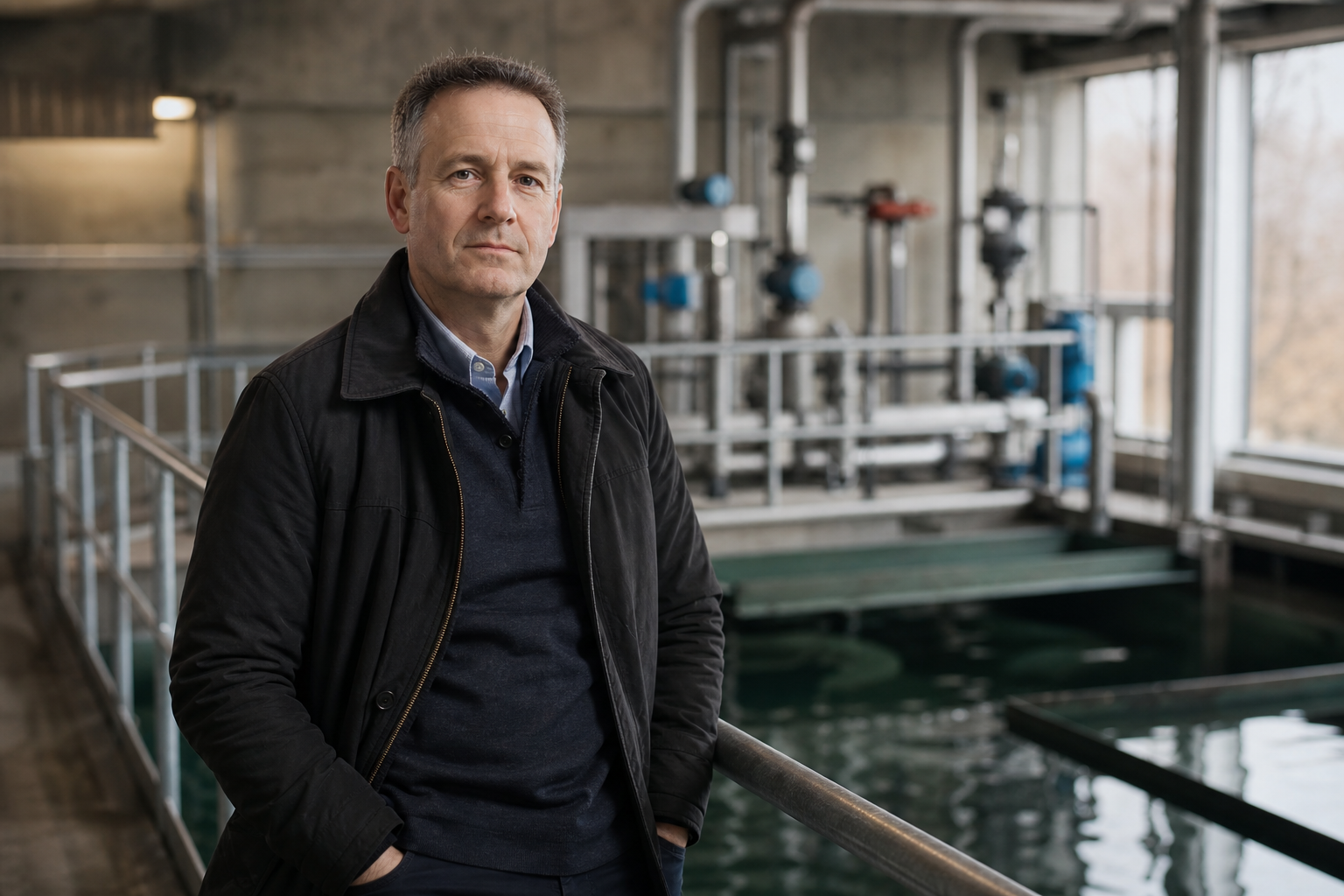
WSP Global employs 11,000 Americans. Stantec employs approximately 12,200 U.S. citizens. AtkinsRéalis runs water treatment plants from Texas to Pennsylvania with people who live down the street from the pipes. When these stocks fell 10 to 15 percent in recent weeks on headlines about "Buy American" restrictions, the market forgot what these companies actually are.
They aren't Canadian firms bidding cross-border on federal highways. They're local engineering operations that happen to report earnings in Toronto. The distinction matters more than the share price suggests.
The Domestic-in-Disguise Model
All three have spent the last decade acquiring mid-sized U.S. engineering and environmental consulting firms. WSP now generates 50 percent of its business from U.S. operations. Stantec pulls more than half its gross revenue from south of the border. When a state highway department in Arizona or a municipal water authority in Ohio posts a request for proposals, the firm responding is staffed by Americans, uses domestic materials, and complies with domestic content thresholds the same way a firm headquartered in Kansas would.
The federal "Buy American" provisions that spooked investors in early 2026 are written for manufacturers shipping steel girders or turbines across borders, not for professional services contracts where the work is design, environmental permitting, and project management. These firms don't export consulting. They perform it locally.
The Backlog Number Nobody Is Reading
WSP, Stantec, and AtkinsRéalis all reported record or near-record backlogs heading into 2026. Backlog means signed contracts. A share price drop driven by "what if Trump restricts contracts" is pricing in a risk to future bids, not to work already committed and funded.
The U.S. law passed in 2021 that allocated $1.2 trillion for roads, bridges, and water systems over multiple years flows mostly through state and municipal governments, not federal agencies. Even if federal procurement rules tightened tomorrow, the state-level spending that makes up the bulk of these firms' U.S. revenue wouldn't pause. Bridges in Michigan don't stop cracking because an election happened.
The Environmental Consulting Arbitrage
Canadian engineering firms lead in remediation and water treatment, two sectors where U.S. statutory requirements don't bend for political winds. The Safe Drinking Water Act and the Comprehensive Environmental Response, Compensation, and Liability Act (CERCLA) mandate cleanup and monitoring regardless of which administration is in office. Hazardous waste sites in New Jersey or lead service line replacements in Flint aren't discretionary projects. They're compliance-driven, and the firms with the expertise get the work.
It's the unglamorous, high-margin work of making sure industrial sites don't leach chemicals into groundwater. The American Society of Civil Engineers has graded U.S. roads, pipes, and treatment plants a C-minus for years. That grade doesn't improve without the exact kind of specialized consulting these firms provide.
Why the Fear Premium Is Wrong
Currency risk is real, USD weakness dampens CAD-reported profits. Labor shortages are real, you can't burn through a backlog faster than you can hire licensed engineers. But a 15 percent haircut on the idea that these firms might lose access to U.S. contracts is pricing in a scenario that doesn't match how they operate.
The recent dip reflects a valuation disconnect. The fundamentals are backlog growth, margin expansion in high-value consulting, and exposure to non-discretionary environmental spending. The headlines are "Canadian firms at risk." The reality is American employees doing American work under American permits, with the invoices going to a parent company in Toronto.
The spread between the fear and the actual business model is where the buying case sits.


WSP Global employs 11,000 Americans. Stantec employs approximately 12,200 U.S. citizens. AtkinsRéalis runs water treatment plants from Texas to Pennsylvania with people who live down the street from the pipes. When these stocks fell 10 to 15 percent in recent weeks on headlines about "Buy American" restrictions, the market forgot what these companies actually are.
They aren't Canadian firms bidding cross-border on federal highways. They're local engineering operations that happen to report earnings in Toronto. The distinction matters more than the share price suggests.
The Domestic-in-Disguise Model
All three have spent the last decade acquiring mid-sized U.S. engineering and environmental consulting firms. WSP now generates 50 percent of its business from U.S. operations. Stantec pulls more than half its gross revenue from south of the border. When a state highway department in Arizona or a municipal water authority in Ohio posts a request for proposals, the firm responding is staffed by Americans, uses domestic materials, and complies with domestic content thresholds the same way a firm headquartered in Kansas would.
The federal "Buy American" provisions that spooked investors in early 2026 are written for manufacturers shipping steel girders or turbines across borders, not for professional services contracts where the work is design, environmental permitting, and project management. These firms don't export consulting. They perform it locally.
The Backlog Number Nobody Is Reading
WSP, Stantec, and AtkinsRéalis all reported record or near-record backlogs heading into 2026. Backlog means signed contracts. A share price drop driven by "what if Trump restricts contracts" is pricing in a risk to future bids, not to work already committed and funded.
The U.S. law passed in 2021 that allocated $1.2 trillion for roads, bridges, and water systems over multiple years flows mostly through state and municipal governments, not federal agencies. Even if federal procurement rules tightened tomorrow, the state-level spending that makes up the bulk of these firms' U.S. revenue wouldn't pause. Bridges in Michigan don't stop cracking because an election happened.
The Environmental Consulting Arbitrage
Canadian engineering firms lead in remediation and water treatment, two sectors where U.S. statutory requirements don't bend for political winds. The Safe Drinking Water Act and the Comprehensive Environmental Response, Compensation, and Liability Act (CERCLA) mandate cleanup and monitoring regardless of which administration is in office. Hazardous waste sites in New Jersey or lead service line replacements in Flint aren't discretionary projects. They're compliance-driven, and the firms with the expertise get the work.
It's the unglamorous, high-margin work of making sure industrial sites don't leach chemicals into groundwater. The American Society of Civil Engineers has graded U.S. roads, pipes, and treatment plants a C-minus for years. That grade doesn't improve without the exact kind of specialized consulting these firms provide.
Why the Fear Premium Is Wrong
Currency risk is real, USD weakness dampens CAD-reported profits. Labor shortages are real, you can't burn through a backlog faster than you can hire licensed engineers. But a 15 percent haircut on the idea that these firms might lose access to U.S. contracts is pricing in a scenario that doesn't match how they operate.
The recent dip reflects a valuation disconnect. The fundamentals are backlog growth, margin expansion in high-value consulting, and exposure to non-discretionary environmental spending. The headlines are "Canadian firms at risk." The reality is American employees doing American work under American permits, with the invoices going to a parent company in Toronto.
The spread between the fear and the actual business model is where the buying case sits.
Sources
Read Next
South Korea's Stock Market Has Become a National Liability
Tech CEOs Walk the Investor Tightrope: Signal AI Risk Without Cutting Off Billions in Funding
Canada Child Benefit Payments Arrive Early This September, Here's What Changed in July
How Auckland's Zoning Reform Supercharged Housing Starts in Five Years—and What Canada is Missing