Canada's Tax Policy 'Pauses' Are Admissions of Failed Planning
The Canada Revenue Agency suspended the bare trust filing requirement 72 hours before the 2024 deadline after CPA Canada warned that thousands of parents who co-signed mortgages for their adult children faced significant penalties for a rule they'd never heard of. A 72-hour suspension before the deadline is not a course correction, it's a policy detonated on the launch pad.
The federal government's string of tax pauses, bare trusts, Underused Housing Tax Act extensions, the three-year heating oil carbon tax exemption, reads like a pilot program where the public is the beta tester and the government is learning by complaint volume. These aren't minor tweaks. They're admissions that the policy was shipped before anyone checked whether the people expected to comply could actually do it.
The compliance cost gets paid either way
Even when a tax gets paused, the damage rolls forward. Accountants spent significant time preparing bare trust filings that became unnecessary the week they were due. First-time buyers paid legal fees to restructure title arrangements their parents helped finance, only to learn the panic was premature. The Underused Housing Tax Act required extensions because the filing requirements were so opaque that even tax professionals couldn't interpret them consistently. By the time enforcement was paused, property owners had already hired specialists to decode rules the government itself hadn't finalized.
A pause doesn't refund that cost. It just signals the government didn't run the scenario analysis before go-live.
Regional fairness collapses under selective relief
The heating oil carbon tax pause created a two-tier system overnight. Households in Atlantic Canada using heating oil got a three-year exemption. Households in Alberta heating with natural gas, still a fossil fuel, still carbon-taxed, got nothing. The government's rationale was that heating oil users face higher costs, but the policy result is that identical environmental externalities now carry different tax burdens depending on your postal code and fuel type.
When a government pauses a tax for one group and not another, the pause becomes the policy. The original principle, carbon pricing applies uniformly, gets replaced by a patchwork where relief follows political pressure rather than policy logic. Alberta's provincial fuel tax operates the same way, adjusting based on oil price thresholds, which means drivers face unpredictable costs depending on where WTI settles that quarter.
Administrative failure as a feature
Tax pauses happen when the agency responsible for enforcement isn't ready to process what the legislation demands. The bare trust suspension wasn't driven by taxpayer hardship alone, it surfaced that the CRA's internal systems couldn't handle the volume of filings the new rule would generate. The Underused Housing Tax Act extensions happened because the CRA's staff and computer systems couldn't process the filings fast enough to keep up with the complexity of what property owners had to report.
This is policy by trial and error, where the error gets caught only after the public starts calling their MPs. The strongest objection to this framing is that pauses show flexibility, that governments are listening and correcting mistakes rather than plowing forward with bad policy. Fair point. But listening after launch is expensive. The consultation that should have happened before drafting instead happens after taxpayers have already hired accountants, restructured assets, and filed returns under rules that get rewritten mid-year.
A government that pauses a tax because it's too hard to administer is admitting it didn't ask the right questions before the bill passed. The flexibility is real. So is the cost of getting it wrong the first time.
The sunset problem nobody's solving
A pause is not a repeal. For investors and homeowners, a paused tax creates a planning cliff. You can't forecast expenses when the rule might return in 12 months or 36 months with no advance notice of what the reinstated version will look like. The heating oil exemption ends March 31, 2027. The bare trust filing requirement is suspended, meaning it could be reinstated. Every paused tax is a tax that might come back, which means the compliance cost never fully goes away, it just moves from "due now" to "prepare for later, maybe."
That's not tax policy. That's a placeholder with penalties attached.


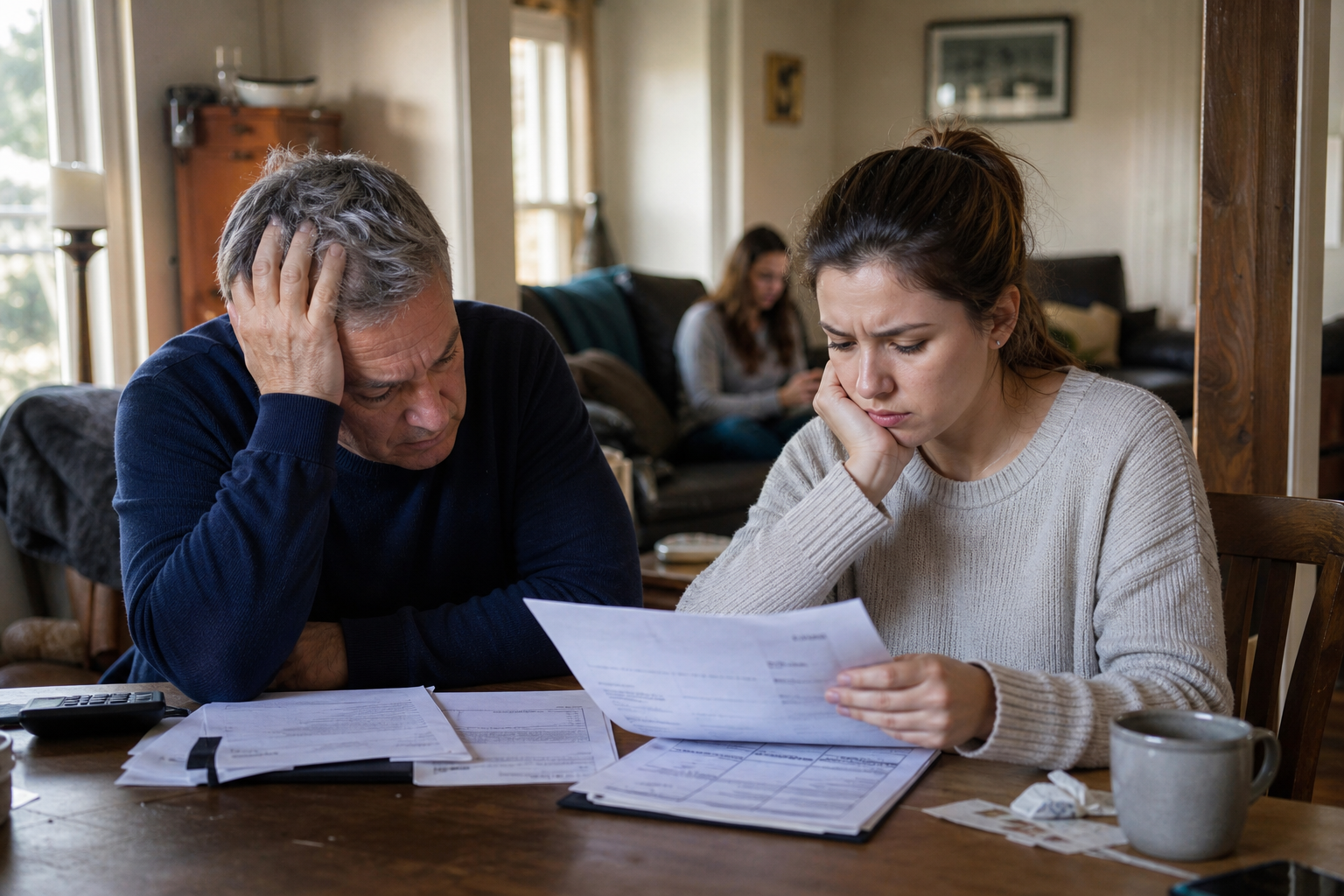

The Canada Revenue Agency suspended the bare trust filing requirement 72 hours before the 2024 deadline after CPA Canada warned that thousands of parents who co-signed mortgages for their adult children faced significant penalties for a rule they'd never heard of. A 72-hour suspension before the deadline is not a course correction, it's a policy detonated on the launch pad.
The federal government's string of tax pauses, bare trusts, Underused Housing Tax Act extensions, the three-year heating oil carbon tax exemption, reads like a pilot program where the public is the beta tester and the government is learning by complaint volume. These aren't minor tweaks. They're admissions that the policy was shipped before anyone checked whether the people expected to comply could actually do it.
The compliance cost gets paid either way
Even when a tax gets paused, the damage rolls forward. Accountants spent significant time preparing bare trust filings that became unnecessary the week they were due. First-time buyers paid legal fees to restructure title arrangements their parents helped finance, only to learn the panic was premature. The Underused Housing Tax Act required extensions because the filing requirements were so opaque that even tax professionals couldn't interpret them consistently. By the time enforcement was paused, property owners had already hired specialists to decode rules the government itself hadn't finalized.
A pause doesn't refund that cost. It just signals the government didn't run the scenario analysis before go-live.
Regional fairness collapses under selective relief
The heating oil carbon tax pause created a two-tier system overnight. Households in Atlantic Canada using heating oil got a three-year exemption. Households in Alberta heating with natural gas, still a fossil fuel, still carbon-taxed, got nothing. The government's rationale was that heating oil users face higher costs, but the policy result is that identical environmental externalities now carry different tax burdens depending on your postal code and fuel type.
When a government pauses a tax for one group and not another, the pause becomes the policy. The original principle, carbon pricing applies uniformly, gets replaced by a patchwork where relief follows political pressure rather than policy logic. Alberta's provincial fuel tax operates the same way, adjusting based on oil price thresholds, which means drivers face unpredictable costs depending on where WTI settles that quarter.
Administrative failure as a feature
Tax pauses happen when the agency responsible for enforcement isn't ready to process what the legislation demands. The bare trust suspension wasn't driven by taxpayer hardship alone, it surfaced that the CRA's internal systems couldn't handle the volume of filings the new rule would generate. The Underused Housing Tax Act extensions happened because the CRA's staff and computer systems couldn't process the filings fast enough to keep up with the complexity of what property owners had to report.
This is policy by trial and error, where the error gets caught only after the public starts calling their MPs. The strongest objection to this framing is that pauses show flexibility, that governments are listening and correcting mistakes rather than plowing forward with bad policy. Fair point. But listening after launch is expensive. The consultation that should have happened before drafting instead happens after taxpayers have already hired accountants, restructured assets, and filed returns under rules that get rewritten mid-year.
A government that pauses a tax because it's too hard to administer is admitting it didn't ask the right questions before the bill passed. The flexibility is real. So is the cost of getting it wrong the first time.
The sunset problem nobody's solving
A pause is not a repeal. For investors and homeowners, a paused tax creates a planning cliff. You can't forecast expenses when the rule might return in 12 months or 36 months with no advance notice of what the reinstated version will look like. The heating oil exemption ends March 31, 2027. The bare trust filing requirement is suspended, meaning it could be reinstated. Every paused tax is a tax that might come back, which means the compliance cost never fully goes away, it just moves from "due now" to "prepare for later, maybe."
That's not tax policy. That's a placeholder with penalties attached.
Sources
Read Next
Ottawa's 15-day ultimatum to Stelco tests what a takeover promise is worth
Canada's Productivity Problem Starts in a Tax Code Nobody Can Read
Cancel or Keep the Card? Closing It Can Spike Your Credit Utilization
The Easiest Tax Return in Canada Could Cost Low-Income Filers the Most