11 Fall Tasks That Prevent Winter Damage and Lower Your Home Insurance Risk
Your furnace filter costs $30. A mid-winter furnace failure in Edmonton costs $1,200. That gap is how most winter damage starts.
Most home insurance policies in Alberta require you to maintain a minimum temperature of 15°C to 16°C while you're away, or shut off the water entirely. Miss that, and a pipe burst isn't covered. These eleven tasks close the gaps that turn cold weather into expensive claims.
1. Test your furnace and replace the filter.
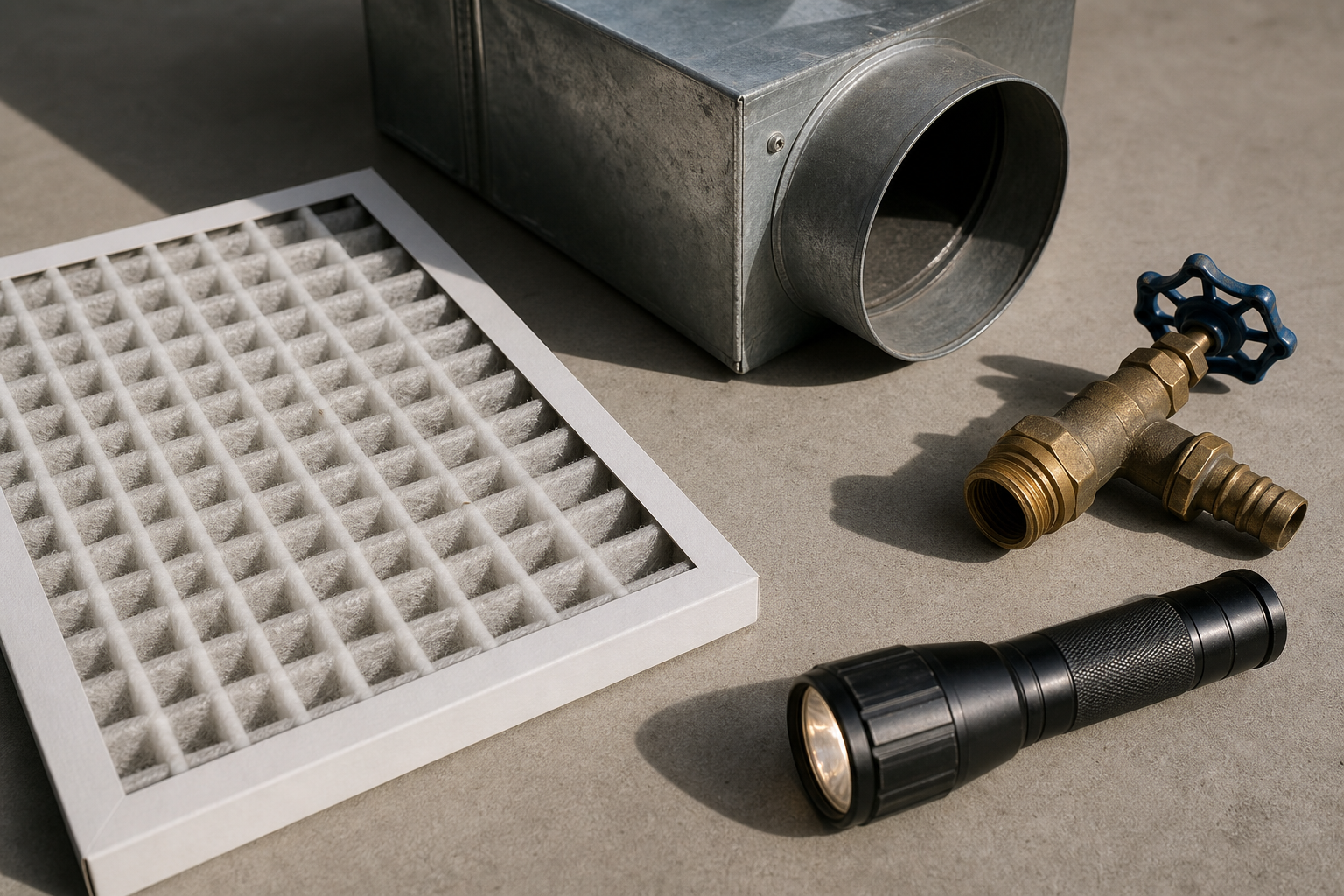
Book a licensed HVAC inspection before the first hard freeze. A cracked heat exchanger leaks carbon monoxide, a life-safety risk. The technician will catch it. You won't. Replace the filter yourself every 90 days through winter. A $30 filter keeps the system running. A clogged one forces the blower to work harder, shortens the furnace's life, and raises your heating bill by 10% to 25%.
2. Disconnect and drain all outdoor taps.
Leaving a garden hose attached during a freeze causes the pipe to burst inside the wall. It's the most common preventable water-damage claim in Edmonton. Shut off the interior valve, open the exterior tap, and let it drain. If you have frost-free hose bibs, they still need the hose removed to work properly.
3. Clear your gutters and downspouts.
Blocked gutters create ice dams when meltwater refreezes at the roof edge. The ice backs up under the shingles and leaks into the fascia, soffits, and eventually the attic. Clean the gutters, then confirm the downspouts point at least six feet away from the foundation. Edmonton's freeze-thaw cycles mean this isn't a one-season problem, it's a recurring source of basement water intrusion.
4. Check the grading around your foundation.
Soil settles over time. Walk the perimeter of your house and look for spots where the ground slopes toward the foundation instead of away from it. During spring melt, water pools against the basement wall and finds its way in. Add topsoil to build the grade back up. The ground should drop at least six inches over the first ten feet from the house.
5. Seal window wells and clear debris.
Snow accumulates in window wells, then melts during a chinook or a sunny February afternoon. If the well isn't covered and the window seal is cracked, that water goes straight into your basement. Clear out leaves and dirt now. Add a plastic well cover if you don't have one.
6. Inspect attic insulation and ventilation.
Proper airflow prevents ice dams by keeping the roof deck cold. If the attic is too warm, snow melts unevenly, runs to the edge, and refreezes. Check that soffit vents aren't blocked by insulation. The attic should be cold, not warm. While you're up there, confirm insulation depth. Under-insulated attics cost you money every month in heating bills.
7. Trim trees and remove dead branches.
Alberta's early-season snowstorms in late September and October hit while leaves are still on. Wet, heavy snow on leaf-covered branches causes snaps. A branch through your roof or across a power line is both a safety hazard and a claim. Walk your property and remove anything dead or overhanging the house.
8. Test your sump pump.
Even in winter, Edmonton homes with high water tables need a working sump pump. A mid-winter chinook or a January melt can flood a basement in hours if the pump is seized. Pour a bucket of water into the pit. The float should rise and the pump should kick on. If it doesn't, replace it before you need it.
9. Caulk around windows and doors.
Freeze-thaw cycles crack caulking faster in Edmonton than in temperate climates. Run your hand along every window and door frame. If you feel a draft, the seal is gone. Exterior caulk is inexpensive and takes an hour to apply. Skipping it can add 15% to your heating bill and let water into the wall cavity during spring melt.
10. Replace smoke and carbon monoxide detector batteries.
Standard practice: replace CO detectors every five to seven years, smoke detectors every ten. Check the manufacture date on the back of the unit. If it's expired, the sensor is unreliable. Test each unit after replacing the battery. Winter is when you're running gas appliances constantly. This is when detectors matter most.
11. Document your maintenance.
Keep receipts for furnace inspections, roof work, and plumbing updates. Some insurers in Alberta offer lower premiums for homes with newer roofs, updated systems, or monitored water-leak sensors. When you sell, a file of dated maintenance records is a negotiating tool. Buyers pay more for a house they know was maintained.
Water damage accounts for roughly 50% of all home insurance claims in Canada, according to the Insurance Bureau of Canada. Most of it is preventable. These tasks take two weekends and cost under $500 if you do the work yourself. The alternative is a January basement flood, a denied claim, and a five-figure repair bill.



Your furnace filter costs $30. A mid-winter furnace failure in Edmonton costs $1,200. That gap is how most winter damage starts.
Most home insurance policies in Alberta require you to maintain a minimum temperature of 15°C to 16°C while you're away, or shut off the water entirely. Miss that, and a pipe burst isn't covered. These eleven tasks close the gaps that turn cold weather into expensive claims.
1. Test your furnace and replace the filter.
Book a licensed HVAC inspection before the first hard freeze. A cracked heat exchanger leaks carbon monoxide, a life-safety risk. The technician will catch it. You won't. Replace the filter yourself every 90 days through winter. A $30 filter keeps the system running. A clogged one forces the blower to work harder, shortens the furnace's life, and raises your heating bill by 10% to 25%.
2. Disconnect and drain all outdoor taps.
Leaving a garden hose attached during a freeze causes the pipe to burst inside the wall. It's the most common preventable water-damage claim in Edmonton. Shut off the interior valve, open the exterior tap, and let it drain. If you have frost-free hose bibs, they still need the hose removed to work properly.
3. Clear your gutters and downspouts.
Blocked gutters create ice dams when meltwater refreezes at the roof edge. The ice backs up under the shingles and leaks into the fascia, soffits, and eventually the attic. Clean the gutters, then confirm the downspouts point at least six feet away from the foundation. Edmonton's freeze-thaw cycles mean this isn't a one-season problem, it's a recurring source of basement water intrusion.
4. Check the grading around your foundation.
Soil settles over time. Walk the perimeter of your house and look for spots where the ground slopes toward the foundation instead of away from it. During spring melt, water pools against the basement wall and finds its way in. Add topsoil to build the grade back up. The ground should drop at least six inches over the first ten feet from the house.
5. Seal window wells and clear debris.
Snow accumulates in window wells, then melts during a chinook or a sunny February afternoon. If the well isn't covered and the window seal is cracked, that water goes straight into your basement. Clear out leaves and dirt now. Add a plastic well cover if you don't have one.
6. Inspect attic insulation and ventilation.
Proper airflow prevents ice dams by keeping the roof deck cold. If the attic is too warm, snow melts unevenly, runs to the edge, and refreezes. Check that soffit vents aren't blocked by insulation. The attic should be cold, not warm. While you're up there, confirm insulation depth. Under-insulated attics cost you money every month in heating bills.
7. Trim trees and remove dead branches.
Alberta's early-season snowstorms in late September and October hit while leaves are still on. Wet, heavy snow on leaf-covered branches causes snaps. A branch through your roof or across a power line is both a safety hazard and a claim. Walk your property and remove anything dead or overhanging the house.
8. Test your sump pump.
Even in winter, Edmonton homes with high water tables need a working sump pump. A mid-winter chinook or a January melt can flood a basement in hours if the pump is seized. Pour a bucket of water into the pit. The float should rise and the pump should kick on. If it doesn't, replace it before you need it.
9. Caulk around windows and doors.
Freeze-thaw cycles crack caulking faster in Edmonton than in temperate climates. Run your hand along every window and door frame. If you feel a draft, the seal is gone. Exterior caulk is inexpensive and takes an hour to apply. Skipping it can add 15% to your heating bill and let water into the wall cavity during spring melt.
10. Replace smoke and carbon monoxide detector batteries.
Standard practice: replace CO detectors every five to seven years, smoke detectors every ten. Check the manufacture date on the back of the unit. If it's expired, the sensor is unreliable. Test each unit after replacing the battery. Winter is when you're running gas appliances constantly. This is when detectors matter most.
11. Document your maintenance.
Keep receipts for furnace inspections, roof work, and plumbing updates. Some insurers in Alberta offer lower premiums for homes with newer roofs, updated systems, or monitored water-leak sensors. When you sell, a file of dated maintenance records is a negotiating tool. Buyers pay more for a house they know was maintained.
Water damage accounts for roughly 50% of all home insurance claims in Canada, according to the Insurance Bureau of Canada. Most of it is preventable. These tasks take two weekends and cost under $500 if you do the work yourself. The alternative is a January basement flood, a denied claim, and a five-figure repair bill.
Sources
Read Next
Overnight Stock Trading Starts in December, Bringing Thinner Markets and New Risks
Behind the GTA's $1 Million Average: 893 Condos Sold Under $600,000
What CPPIB's Toll Road Sale to Transurban Says About Exit Timing
Nvidia Nears US$6 Trillion: Why the 'Too Big to Grow' Rule Keeps Failing